
The Ultimate Guide to Diamonds – Everything You Need to Know
Gorgeous, enchanting, unique and luxurious are just some of the words used to describe the allure and striking beauty of diamonds. Bright and bold in their appearance, diamonds leave an incredible impact on anyone who comes across them, especially those who own them.
Often seen as the pinnacle of luxury jewellery, the diamond is believed by some to represent strength, love and health. Historically, leaders have worn diamonds to symbolise their strong position and sense of invincibility. While we can’t guarantee that diamonds make you invincible, we can say for certain that they will set your style apart.
At Faith Jewellers, we are fascinated by diamonds and what makes them so special. Our comprehensive guide on all things diamonds tells you everything you need to know about how experts analyse them, how they are formed and how to care for them.
Table of contents
- What are the 4 Cs of diamonds?
- What are lab-grown diamonds?
- How are diamonds formed?
- How to care for diamonds
- Diamonds at Faith Jewellers
What are the 4 Cs of diamonds?
If you’ve ever looked into buying diamonds online or asked a jewellery specialist about how to ensure you’re getting a diamond of true quality, you may have heard of the 4 Cs of diamonds. The 4 Cs is how the material value of a diamond is determined by objective criteria used internationally. Carat, cut, colour, and clarity make up the 4 Cs. We’ve broken down what each means and how they are valued.
Carat
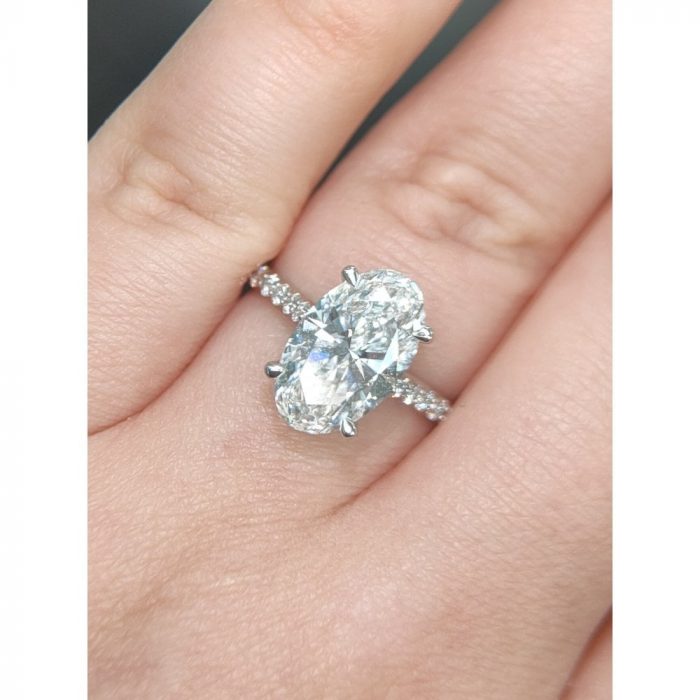
You’ll have read or heard the word carat in discussions about other valuable jewellery, such as gold. The carat is a unit that measures the weight of a diamond. One carat is divided into 100 points. So, a 250-point diamond would be listed as 2.50ct. The highest carat doesn’t always mean the best quality, as the other Cs still need to be considered.
Cut
Plenty would argue that the cut is the most important of the 4 Cs. The cut of a diamond determines how it behaves with light and the sparkle you get from your stone. A diamond with exceptional qualities in the other Cs but falling short in its cut will lack sparkle. A well-cut diamond will reflect the ideal light, maximising your sparkle. In contrast, shallow and deep cuts won’t reflect sufficient light to achieve the sparkle you want in a diamond.
It’s easy to get confused with a diamond’s cut and shape, as the shape of a diamond is also often called the cut. While a diamond’s cut focuses on the stone’s arrangements, symmetry and proportions, the shape is simply its geometric appearance. Oval-shaped diamonds often use a brilliant-style cut, whereas rectangular diamonds will likely use an emerald cut.
Colour
A diamond’s colour grading determines the colour and hues in the stone. Diamonds are graded from D-Z, with D indicating an exceptionally white and colourless diamond. A colourless diamond means greater rarity and value. Diamonds towards the opposite end of the grade scale will often feature light yellow or brown hues. The grading peaks at D because the letters A-C were deliberately excluded to avoid confusion with internal company grades.
Clarity
A diamond’s clarity depends on the amount of visible inclusions within it. Inclusions are materials that become part of the diamond during its formation. Every diamond has inclusions, but their visibility under magnification is key in their measurement. The scale ranges from flawless (no visible inclusions) to included. Below are the units and what they represent.
- FL – Flawless
- IF – Internally flawless
- VVS1, VVS2 – Very, very slightly included
- VS1, VS2 – Very slightly included
- SI1, SI2 – Slightly included
- I1, I2, I3 – Included
What are lab-grown diamonds?
Lab-grown diamonds, also known as synthetic diamonds, are exactly the same as naturally mined diamonds in appearance and composition but are made using a mined diamond seed. Expert technology has allowed diamonds to be created in a laboratory replicating the exact natural conditions under which diamonds formed in the Earth’s mantle millions of years ago.
Lab-grown diamonds differ from naturally mined diamonds only in source. There is little to no difference in chemical composition, colour diffusion, hardness, transparency, etc. Synthetic diamonds are subject to the same 4 Cs grading style as natural diamonds.
Due to rarity, natural diamonds often demand a slightly higher price than lab-grown diamonds. The production of synthetic diamonds is expensive, but the amount of diamonds that can be made eclipses the number of natural diamonds available, so the supply doesn’t dip below the demand. This controlled production also means there is minimal need for diamond mining to continue, as we’ve developed a much more sustainable method of creating diamonds of equal quality.
How are diamonds formed?
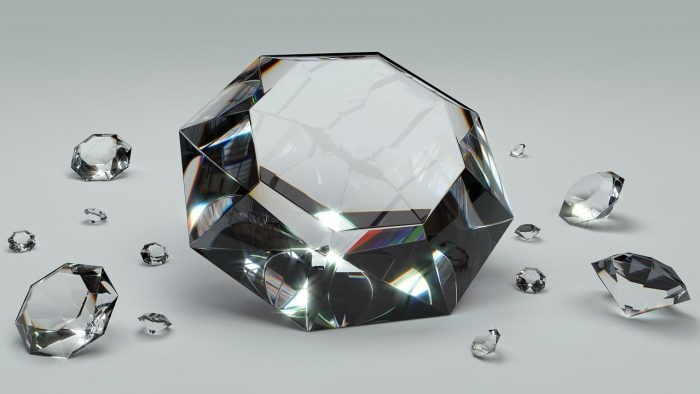
While lab-grown diamonds aim to replicate the natural conditions in which diamonds are formed, the unique process that gives us the glamorous stones we see today is integral to what makes them so special. You will likely hear the expression “diamonds are made under pressure” or similar variations in discussions of strong people and tough situations.
The phrase, of course, comes from the extremely high pressure required for diamonds to form. Carbon atoms crystallise due to the intense pressure and heat they are under at depths of over 120 km beneath the Earth’s surface. After millions of years, the atoms will bond to form diamonds when the pressure reaches around 50,000 times that of the earth’s surface and the temperature is as high as 1600°C.
Natural diamonds are discovered through mining and are cut and polished before being sold.
How to care for diamonds
Owning a piece of diamond jewellery is such an incredible feeling that you’ll understandably want to wear it all the time! However, part of sensible care and being a responsible owner of luxury jewellery is knowing when is and isn’t an appropriate time to bear your best pieces.
Always remove any diamond jewellery before showering or using household cleaning products. These harsh chemicals can scratch your stone and risk taking away its signature shine. Makeup and skincare products can also be detrimental to your diamond’s health, so putting on your jewellery after applying any makeup, perfumes, or other cosmetics is good practice.
Diamonds at Faith Jewellers
Discover stunning diamond jewellery from our vast collection at Faith Jewellers. Whether it’s been a lifelong dream to add the unbeatable shine of a diamond to your jewellery collection or you’re going all out on a gift for a special someone, our collection has the right piece for you.
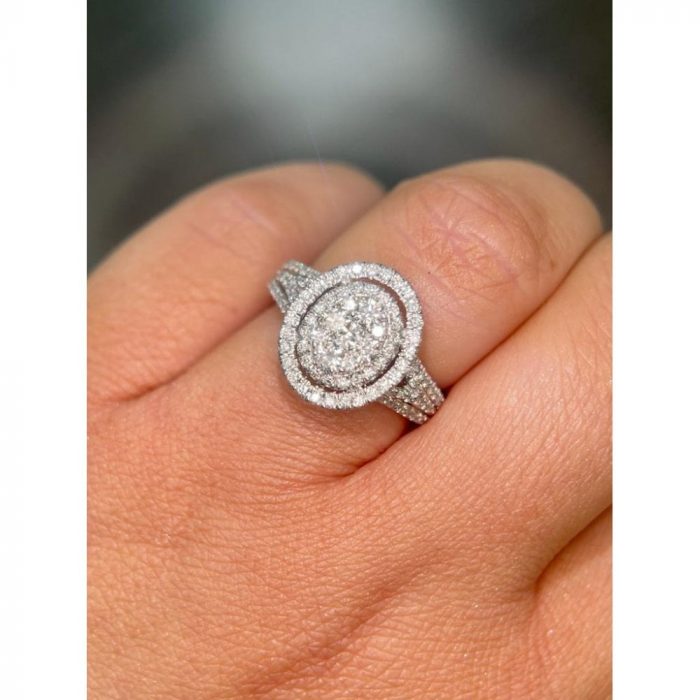
Get that signature sparkle with diamond necklaces and earrings that instantly elevate the class and luxury of your style.
If you’re planning on asking the big question for a while but waiting until you find the perfect ring, we stock an incredible range of diamond engagement rings to present your future spouse with a stone that will take their breath away. Browse our diamond jewellery collection today to find the stone that speaks to you.
Comments are closed here.