
What Are Lab-Grown Diamonds?
Lab-grown diamonds embody natural diamonds’ staggering, unmistakable beauty by replicating the fascinating formation process in a controlled and artificial environment. Some claim that the manufacturing of artificial diamonds occurred between 1879 and 1928, but none of these rumours have been substantiated.
What we do know is that these diamonds have been around since at least the 1940s. American company General Electric, whose founders include Thomas Edison, are thought to have created the first batch of lab-grown diamonds in 1954.
Progress in practices and popularity have been made since, and our guide will take you through everything you need to know about lab-grown diamonds and potentially quell some concerns or preconceptions surrounding them.
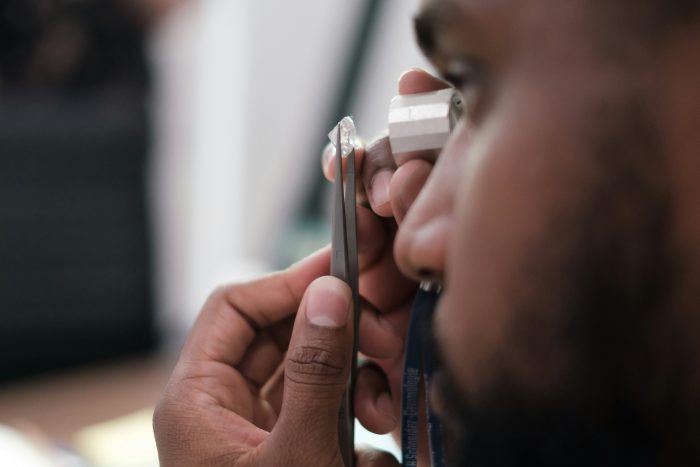
Table of contents
- The discovery of lab-grown diamonds
- How are lab-grown diamonds made?
- Are lab-grown diamonds real diamonds?
- Do lab-grown diamonds lose their sparkle?
- Are lab-grown diamonds cheaper?
- Lab-grown diamonds at Faith Jewellers
The discovery of lab-grown diamonds
The facilities that house the creation of lab-grown diamonds aim to replicate the conditions in which natural diamonds are formed. The early days of artificial diamond manufacturing saw many scientists attempt to repeat the success of French Nobel Prize winner Henry Moissan, who claimed to have added heat to charcoal to form a single diamond.
Few such imitators were successful, at least on record, while others failed to create synthetic diamonds via methods commonly associated with growing gemstones. While lab conditions and processes were improved to suit the formation of lab-grown diamonds over time, the major breakthrough came in 1954.
H. Tracy Hall was a part of “Project Superpressure” at General Electric. The goal was to find a way to produce quality synthetic diamonds, and Hall’s invention of the belt press was the missing piece of the puzzle. The belt press exerted significant temperature and pressure on various metals to dissolve them and convert them into diamonds.
This groundbreaking invention and subsequent results changed how diamonds were sourced, created and sold forever. Hall had left his mark on the industry and wrote his name in scientific history books. To thank him for his incredible work and the countless riches he had brought to the company, General Electric rewarded him with just a $10 savings bond.
How are lab-grown diamonds made?
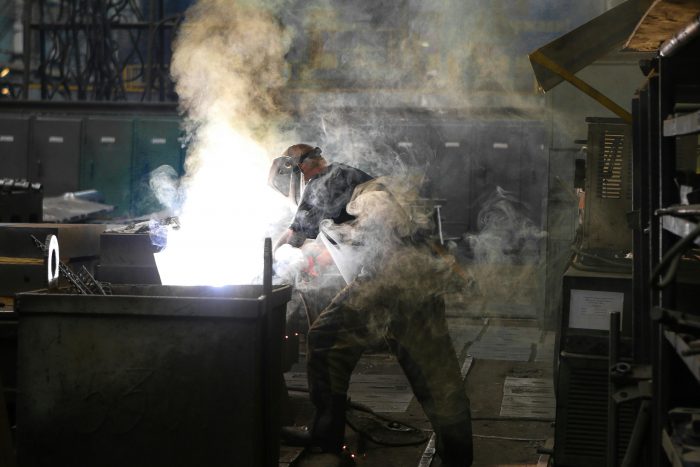
While H. Tracy Hall may not have been appropriately lauded for his work then, he has been lavished with praise since, and rightly so! Hall’s work paved the way for decades of work and research dedicated to refining the process of creating synthetic diamonds, and traces of his methods are still seen in modern lab diamond practices.
Today, lab-grown diamonds are made largely using one of two key methods.
Chemical vapour deposition
Chemical vapour deposition (CVD) involves taking a small slice of a natural diamond and placing it into a chamber. The slice is then exposed to carbon-rich gas at extremely high temperatures, attempting to replicate the conditions natural diamonds are formed under. In mere weeks, the carbon gas ionises, and the particles surround the original slice. Eventually, the slice crystallises into a fully formed diamond cut to perfection.
High pressure high temperature
The high-pressure high temperature (HPHT) method does what it says. Pure carbon is placed within a metal cube and pressed, exposing it to incredible levels of heat and pressure through electric pulses. Heat and pressure result in the carbon breaking down and crystallising into a diamond. Should the diamonds contain any metal traces, they will be so small that they’re virtually invisible.
HPHT is often preferred to CVD due to the lack of post-growth treatment required to reach a higher standard. The speed at which CVD diamonds grow occasionally leaves spotty internal marks and brown/greenish undertones, making post-growth treatment necessary.
Are lab-grown diamonds real diamonds?
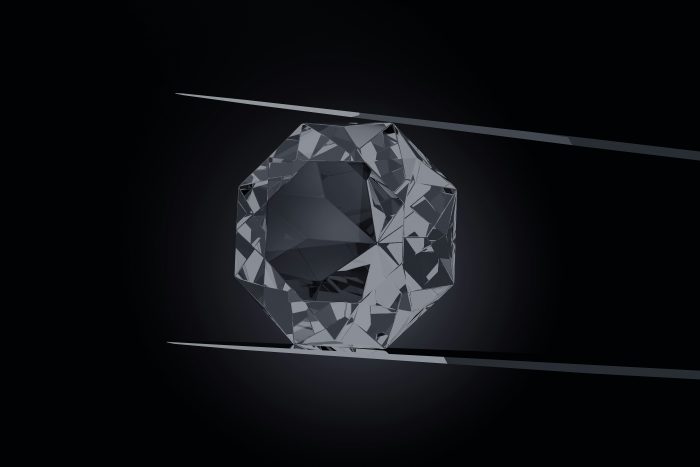
Lab-grown diamonds are just as real as those formed under natural conditions. Synthetic diamonds are all pure carbon and are identical in chemical composition and visual properties to mined diamonds.
The only difference between lab-grown and naturally formed diamonds is in the name. The source of creation is where the differences start and end, as lab-grown diamonds are held to the same grading standards as their natural counterparts. Cut, clarity, colour and carat are all assessed and provided with a score so jewellers and shoppers can equally identify the quality of synthetic and natural diamonds.
Fake diamonds, commonly known as simulated diamonds, are not those that are made in a laboratory but those that are not pure carbon. Some often confuse synthetic and simulated diamonds, but the purity and quality could not be further apart. Simulated diamonds include different chemical properties to real diamonds, such as cubic zirconia, moissanite and natural clear gemstones.
Do lab-grown diamonds lose their sparkle?
Another fear that commonly comes with lab-grown diamonds and their production is the risk of fading over time. Some believe that lab-grown diamonds aren’t as durable or resilient as naturally formed diamonds due to the synthetic nature of their creation.
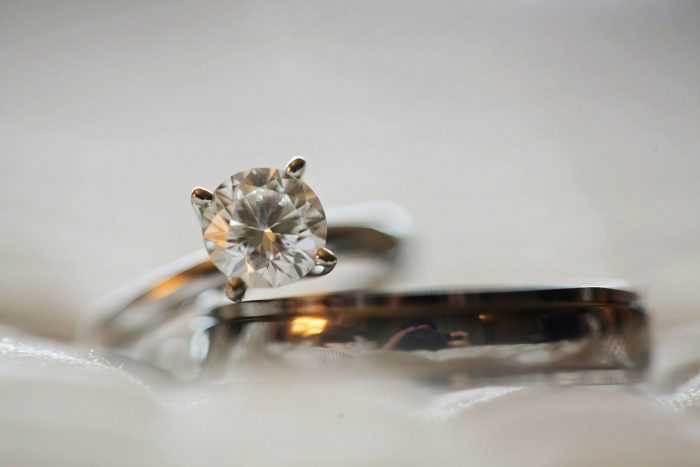
Artificial diamonds consist of the same carbon atoms arranged in an identical lattice structure to mined diamonds. This structure provides the durability and resistance you expect from diamonds, whether sourced naturally or otherwise. A diamond’s risk of tarnishing or damage is almost completely eliminated thanks to these properties.
Because the artificial processes to create lab-grown diamonds are designed to specifically mirror the formation of natural diamonds in the earth’s mantle, artificial diamonds receive the same benefits and characteristics as their mined siblings. Advances in technology and lab conditions have allowed scientists to nail a formula that reliably produces high-quality, durable diamonds as real as any other.
Are lab-grown diamonds cheaper?
While the first tangible production of lab-grown diamonds was made in the 1950s, they were not commercially available until the ‘80s. The initial uses of lab-grown diamonds were mostly industrial, so supply and demand were low and mined diamonds still dominated the market.
It took time for man-made diamonds to hit the same heights as natural diamonds, largely due to the scepticism and preconceptions addressed in our article. Once consumers were assured that these diamonds were as real as any mined from the ground, the demand increased.
Lab-grown diamonds have become vastly popular in recent years as they have remained a cost-effective alternative to mined diamonds. The process of creating synthetic diamonds is incredibly expensive, but the sheer amount of diamonds that can be created in relatively short periods means scarcity is not an issue, slightly lowering the price
Lab-grown diamonds at Faith Jewellers
Find high-quality, beautiful, lab-grown diamonds to call your own at Faith Jewellers. Our extensive collection sees the stunning diamonds headline various gorgeous jewellery pieces, including necklaces and earrings.
These diamonds are made for perfection, so there’s no better way to make one of the biggest moments of your life as special as possible. Browse our lab diamond wedding and engagement rings at Faith Jewellers to commemorate the memories you’ll cherish forever.

Comments are closed here.